Get updates from The Developer straight to your inbox Yes, please!



Rights of Nature movement builds as Lewes is the first town to recognise the Rights of Trees
The approved motion is the latest in a wider movement towards legal protection for rivers and nature with aims to influence planning and policy


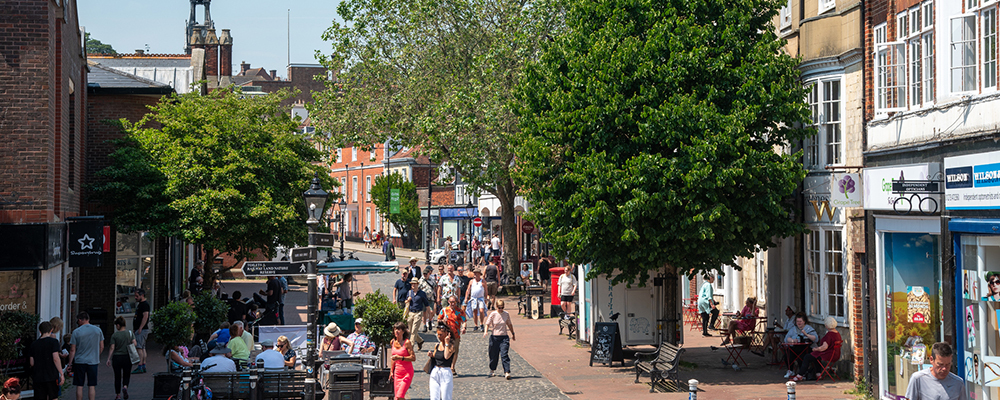
Lewes Town Council in East Sussex is the first in the country to pass a motion recognising the Rights of Trees. The movement is the latest in an accelerating grassroots movement to recognise the Rights of Nature.
Council approved the motion unanimously on 10 September. Proposed by Councillor Dinah Morgan on behalf of the Rights of our Trees group (ROOTS), the Rights set an expectation that planning authorities will retain, enhance and expand tree cover wherever possible.
The motion is the latest in an accelerating grassroots movement to prevent environmental damage.
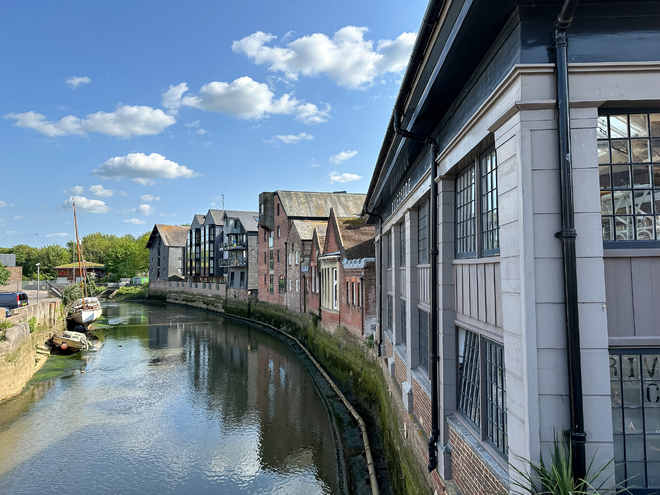
The fact that the motion for trees was passed in Lewes is significant. Its district council was the first to pass a motion to recognise a river – the Rights of the River Ouse Charter was passed in 2023. Since then around 20 councils and parish councils have passed motions to recognise the rights of rivers, while Maidstone Borough Council adopted the Rights of Nature framework.
This summer, Baroness Natalie Bennett introduced a bill in the House of Lords to “recognise Nature as a legal subject; establish and protect the rights of Nature” – the first time the Rights of Nature have entered the UK parliamentary process. The bill had its second reading in the Lords in July and is now at Committee Stage.
Described as a “green Magna Carta”, during its debate, Bennett described the bill as “a reset in our relationship and the ending of the disastrous 17th-century paradigm: A mechanistic worldview that falsely separates people, nature and the economy as though they can operate independently.”
The 57-page Rights to Nature Bill was written by lawyer Mumta Ito of the Nature’s Rights charity and would “establish a legal duty of care for public bodies, business and individuals; establish an integrated rights framework; introduce mechanisms for dispute resolution and legal enforcement; establish a nature guardianship council, bioregional councils and a nature’s rights tribunal; and create a governance structure for implementation and integration.”
The Rights of Trees charter in Lewes formally recognises the value of forests, trees and hedgerows. The motion does not grant legal rights to trees – it is non-binding. The next step is to embed the consideration of trees into policy and decision-making. Councils use these rights as a guiding tool, shifting attitudes and considerations during planning disputes or tree preservation orders.
The growth of the Rights of Nature movement is being led by local people with campaigning action groups and charities. It speaks to a growing frustration with a failure of government to prevent the degradation of local rivers and the cutting of mature trees as communities recognise the loss of species biodiversity.
The concept has its roots in traditional Indigenous knowledge while legislation is inspired by global precedents, such as the granting of personhood to the Whanganui River in New Zealand in 2017.
In 2021, there were 185 legal provisions recognising the rights of nature in 17 countries with 50 more pending, according to the Oxford Handbook of Comparative Environmental Politics (2021).
ROOTS, the group behind the motion in Lewes, is a collaboration between the Trees Committee of Friends of Lewes (Lewes Arboretum Project), the Environmental Justice Law Clinic at the University of Sussex and the Environmental Law Foundation.
The motion was guided by the Rights of our Trees, Woodlands and Forests Toolkit developed by Dr Joanna Miller Smallwood and students at the University of Sussex’s Environmental Justice Law Clinic.
The Rights of our Trees Charter states that trees have the right to healthy soil, water, restoration, representation, informed decisions, a precautionary and preventative approach and a complete natural life cycle.
Find out more Read the transcript of the debate on the Rights for Nature bill
Sign up to our newsletter
Get updates from The Developer straight to your inbox
Thanks to our organisation members
© Festival of Place - Tweak Ltd., 124 City Road, London, EC1V 2NX. Tel: 020 3326 7238